Education House
Events Articles
Log in
menu
Frontpage Events Articles

Education from the Ground Up: When Communities and Learners Lead

Article • 8 Jun 2026
Oxford 2026

What does it mean to drive change in education? At Education House Oxford 2026, four innovators shortlisted through the HundrED and VVOB Spotlight on Education for Societal Change shared a common message: lasting educational change starts with people.

In Kenya, six-year-old Sasha has helped plant more than 74,000 trees. In India, sixteen-year-old Riya opened community libraries for children without internet access. In Botswana, trained women lead daily playgroups for young children. These are just some of the many examples of advocacy and innovation that HundrED and VVOB shortlisted from a record-breaking 450 submissions to the Spotlight on Education for Societal Change.

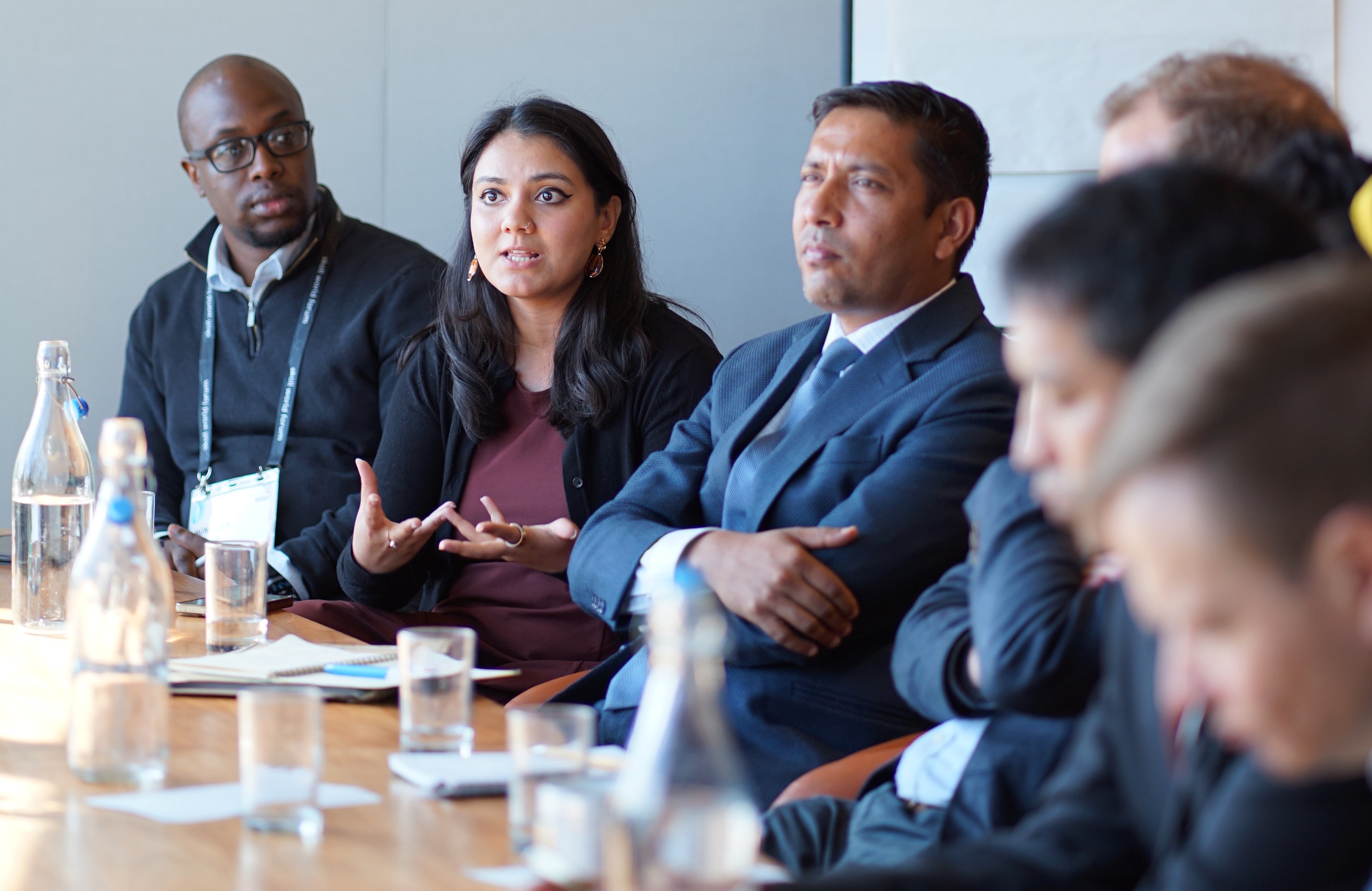
The Spotlight, an initiative focused on practices from the Global South that are driving change through climate action, gender equity, peace education and social justice announced 32 shortlisted innovations in February. In April 2026, four of those innovators gathered at Oxford for an Education House event, sharing their work with global education experts. While their approaches differ, a clear common thread runs through them all: putting communities, parents, teachers, and children themselves at the centre, rather than top-down systems.


Children are already leading today

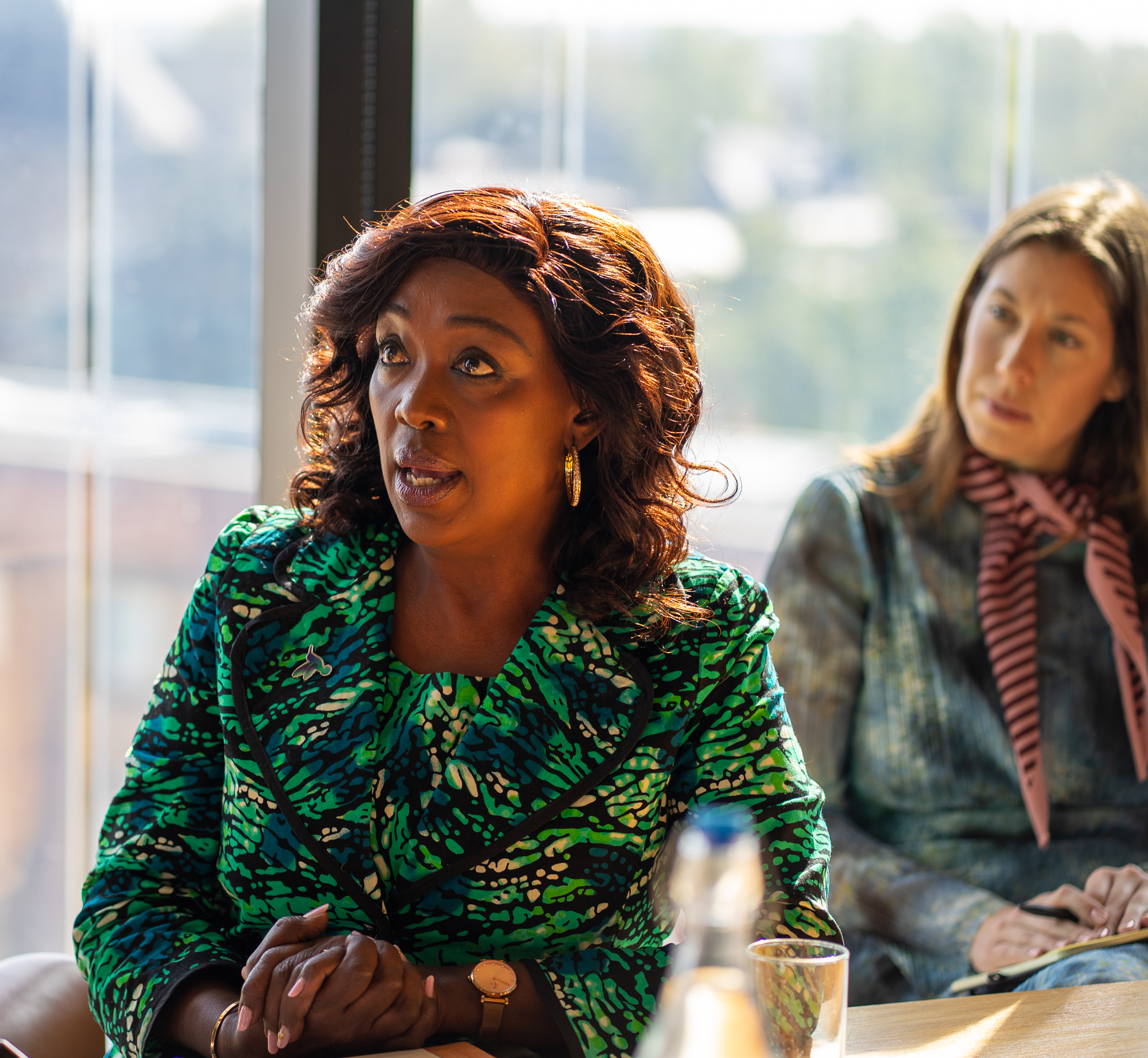
In Kenya, First Lady's Mazingira Awards (FLAMA), a non-formal education programme with an annual national competition open to all Kenyan learners, engages learners and teachers in environmental conservation and climate action. Sheila Shefo Mbiru, Head, FLAMA, explained how students help co-create the programme, from designing its logo and tagline to leading environmental action in their schools and communities. Sasha was only six years old when she won FLAMA's 2024 national competition in 2024 with a spoken word piece. She has since helped plant 74,000 trees and spoken at the Africa Climate Summit in Addis Ababa. 'Young people are not just absorbing information,' says Sheila. 'They are questioning, they are creating, they are leading change.' Dorcas, who is blind, won that same year with a poem describing the environment as she experiences it, through touch, sound and sensation. ‘A lot of times, learners with disabilities are left out of these opportunities,' Sheila says. 'Their solutions are so powerful. We want to make sure they know that we can hear them.'

That same belief in children as present-day leaders runs through the India-based movement Kids Education Revolution, where its Director, Kritika Rawat, focuses on building safe, child-centred learning spaces rooted in partnership and love rather than hierarchy. “I’m not here to teach these 60 children, but I’m here to teach with these 60 children,” she shared. Through the programme, learners identify problems in their own communities and design solutions themselves. Kritika shared the story of 16-year-old Riya, who started community libraries in rural India during the COVID-19 pandemic so children without internet access could continue learning during school closures. For Kritika, change requires challenging traditional assumptions about who gets to lead. “Students don’t need to grow up to be adults to become changemakers,” she said. “They have the potential and the capability to create change today”.


When communities own the problem, they own the solution

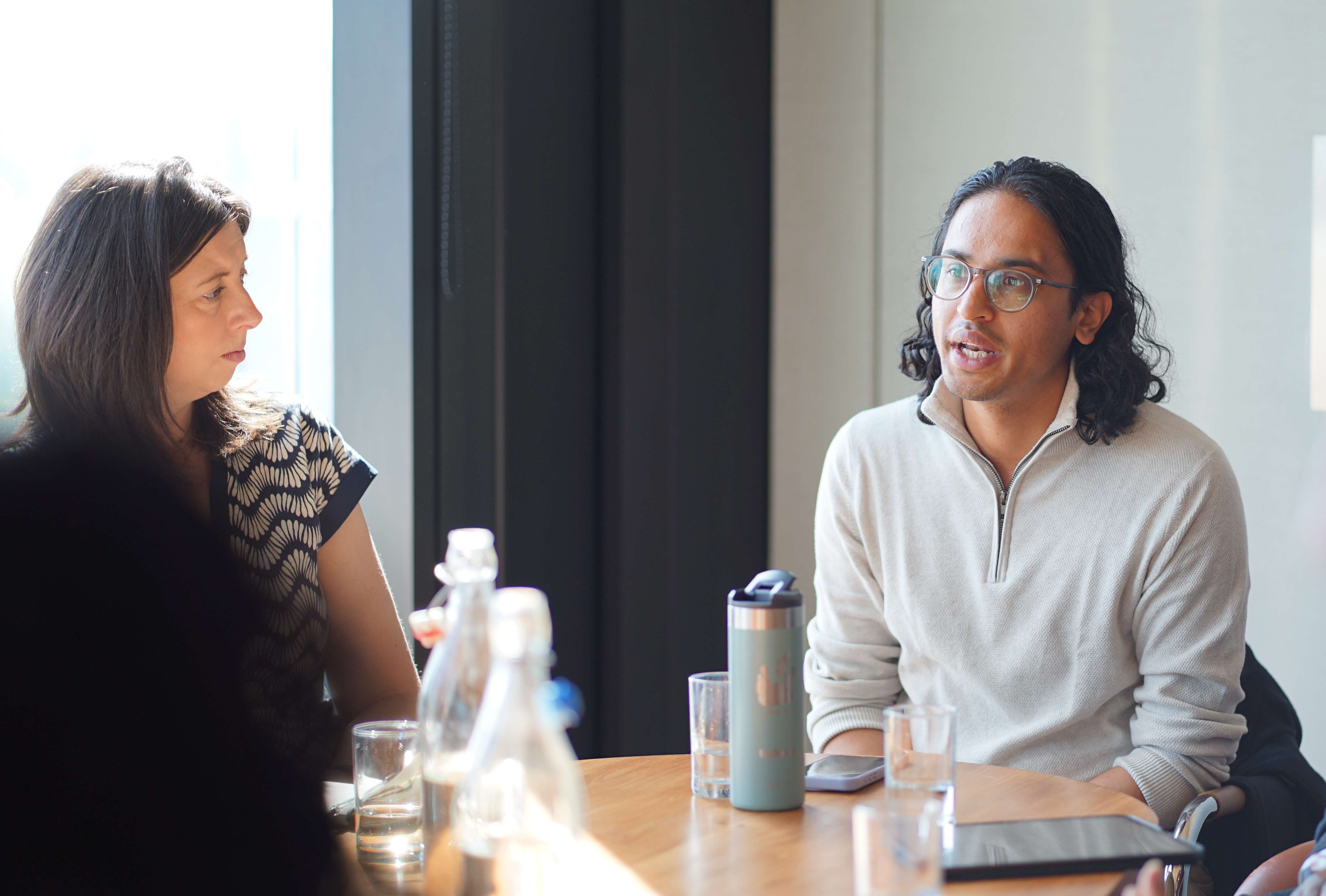
When parents and communities are given a central role in education, meaningful change follows. In Botswana, Learn to Play offers a community-powered model that transforms early childhood education through play. In practice, it looks like joyful, locally-run playgroups in rural villages, led by trained community teachers. For Eashwar Ramesh, co-founder of Learn to Play, one of the most powerful moments comes when caregivers realise that play is not separate from parenting or learning, but part of both. “Some of the caregivers told me they didn't know they could play with their child. They didn't know that was their place,” he shared. When that shift happens, its effects reach far beyond the playgroup: caregivers report feeling less stressed, building stronger relationships with their children and a greater sense of wellbeing, simply by changing how they show up in their child's life.

The People’s Action for Learning (PAL) Network starts from a similar premise: that as long as parents remain on the outside of their children's education, meaningful change will stay out of reach. Rather than assessing children in schools, trained community members visit family homes, so parents see the evidence for themselves. 'You see the eyes of those parents changing,' says CEO Armando Ali. 'Because that is the first time they are realising, even these children who are in grade seven cannot read.' The PAL Network’s citizen-led approach originated in 2005 in India, where it is known as the Annual Status of Education Report (ASER). Rajib Timalsina, Director at ASER NEPAL, explains that the goal was never to bring answers to communities. It was to give them the tools to find the answers themselves: “Awareness is everything, and so is being part of the solution, not just the problem.” Learn to Play and the PAL Network show that education begins in homes, relationships, playgroups, and conversations where families and communities come together to support their children’s learning.


What the world can learn

The response to the Spotlight call reflects that driving change and innovation takes many forms and, when communities, parents, teachers and children themselves are placed at the centre of education, something shifts. Not just in learning outcomes, but in who gets to lead, who gets to be heard and who gets to imagine a different future.

Founding Partners
Cookie preferences

Education House uses cookies to enhance your experience, personalize content, and analyze web traffic. By clicking Accept Essential Cookies, you agree to the use only essential cookies.

For more details, please review our Privacy Policy.

Accept Essential Cookies